
Real estate development and construction are complex fields that intertwine vast elements of law, business, and urban planning. Navigating the legal landscape is crucial for developers, investors, and firms to ensure compliance, minimize risk, create, keep jobs, and maximize return on investment.
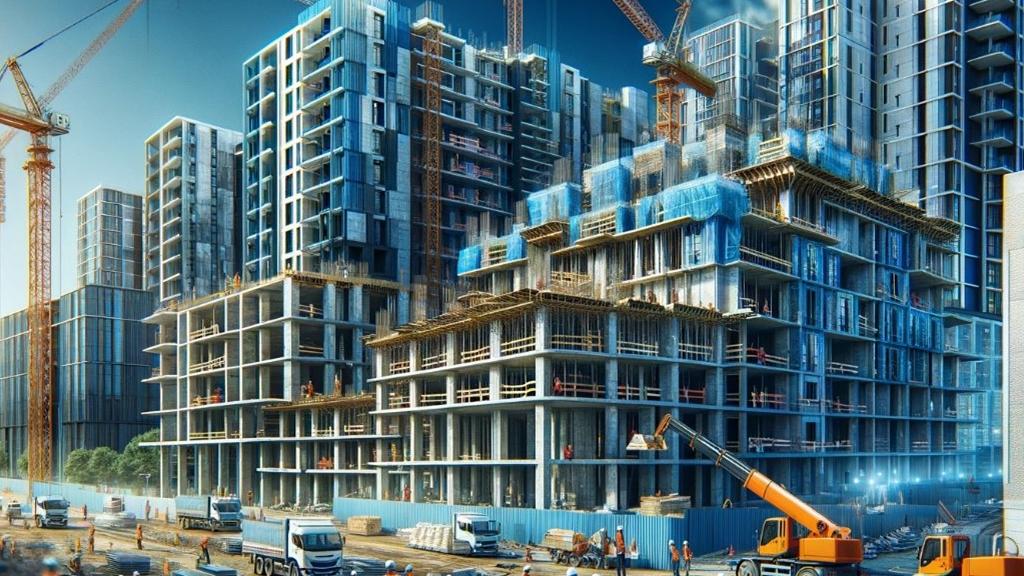
Comprehensive Legal Guide to Real Estate Development
Real estate development is a multifaceted industry that combines elements of law, finance, and urban planning. Understanding the legal frameworks governing each step—from land acquisition to project completion—is essential for developers to navigate the complexities successfully, develop their skills, and to ensure they develop projects that are both profitable and compliant.
Legal Foundations in Real Estate Development
Navigating the legal complexities of real estate development is essential for any developer ensuring that projects they develop are viable, profitable, and compliant with all applicable regulations. From the initial acquisition of land to the final construction processes, understanding and adhering to legal standards is critical.
Comprehensive Legal Approaches in Land Acquisition and Due Diligence
In real estate development, securing the right property underpins the success of the entire building project. This process involves meticulous legal and environmental evaluation to identify opportunities and prevent future legal complications.
Conducting Thorough Title Examinations
Identifying Legal Barriers: A comprehensive title search is essential to uncover any existing liens, easements, or other title defects that could impact development rights or lead to costly disputes.
Legal Remediation: Should title issues arise, developers must address these through legal channels, potentially involving negotiations with previous owners or legal actions to clear the title.
Environmental Assessments and Land Surveys
Risk Assessment: Environmental assessments help identify potential ecological impacts that could restrict development or require special mitigation efforts, such as contamination clean-up or habitat preservation.
Geographical Insights: Detailed land surveys provide crucial information on topography, boundaries, and potential land use limitations, guiding architectural and construction decisions.
Zoning and Land Use Strategy in Real Estate Development

Understanding new buildings and influencing zoning laws are pivotal for real estate developers, as these regulations directly affect the potential uses of a developer or property.
Mastering Zoning Laws and Regulations
Regulatory Compliance: Developers must ensure that their projects adhere to local zoning ordinances, which dictate land uses, building heights, density limits, and other crucial factors.
Permitting and Variances: When projects do not align with existing zoning laws, developers might need to apply for variances or conditional use permits. This process often requires detailed submissions and presentations at public hearings.
Fostering Positive Community Relations
Community Engagement: Successful developers engage with community members and local stakeholders early in the planning process to garner support and address any concerns, facilitating smoother project approval processes.
Public Hearings and Adjustments: Attending and participating in public hearings allows developers to present their visions, negotiate with public officials, and adapt their plans in response to community feedback.
Legal expertise in real estate development not only involves handling straightforward property transactions but also managing complex regulatory landscapes and community dynamics. Effective legal strategies in land acquisition, due diligence, zoning, and community engagement are essential to navigate the myriad challenges in real estate development. By thoroughly understanding and addressing these legal foundations of raw land use, developers and real estate developers can enhance their project’s success, ensuring that their developments meet both legal requirements and community expectations.
Ensuring Compliance with Environmental Regulations in Real Estate Development

As the impact of development on the environment becomes more pronounced, real estate developers must adhere to stringent environmental regulations designed to promote sustainability and protect natural resources. Understanding and integrating these regulations into development projects is crucial for legal compliance and environmental stewardship.
Conducting Environmental Impact Assessments (EIA)
Environmental Impact Assessments are critical tools used to evaluate and determine the potential environmental effects of a proposed development before the project’s life cycle begins.
Process and Importance of EIAs
Assessment Requirements: The EIA process involves a comprehensive study of the potential impacts on the local environment, including soil, water, air quality, flora, fauna, and human health.
Mitigation Strategies: The EIA provides a plan to mitigate negative environmental impacts through construction techniques, operational changes, or by restoring habitats. This stage is crucial for modifying project plans to reduce environmental harm and for ensuring regulatory approval.
Securing Regulatory Approvals Based on EIA Findings
Approval Processes: The outcomes of EIAs significantly influence local or national government decisions on project approvals. Developers must present the findings in public forums and to regulatory bodies to obtain necessary environmental permits.
Legal Compliance: Adhering to the recommendations and requirements outlined in EIAs is not only a legal obligation but also a crucial step in maintaining project viability and community support.
Implementing Sustainable Development Practices
Incorporating sustainable practices in real estate development is not only a regulatory requirement but also a strategic business asset in today’s environmentally conscious market segments.
Building Green: Practices and Benefits
Sustainable Construction Materials: Utilizing eco-friendly materials such as recycled steel, bamboo, and low-VOC (Volatile Organic Compounds) paints reduces the environmental footprint of buildings.
Energy Efficiency: Integrating energy-efficient systems like LED lighting, solar panels, and smart building technologies significantly lowers energy consumption and operational costs.
Water Conservation: Implementing systems for rainwater harvesting and greywater recycling can minimize water use and impact local water resources.
Gaining Sustainability Certifications
Certification Standards: Achieving certifications like LEED (Leadership in Energy and Environmental Design) or BREEAM (Building Research Establishment Environmental Assessment Method) not only showcases a commitment to sustainability but also enhances the attractiveness of the property to potential buyers and renters.
Certification Process: The process involves rigorous assessments of the building’s design and construction practices with respect to energy use, air quality, and environmental impact. Gaining such certifications often requires the collaboration of certified professionals throughout the development process.
For real estate developers, ensuring compliance with environmental regulations is imperative to avoid legal challenges and to foster sustainable development practices. By conducting thorough Environmental Impact Assessments and embracing green building standards, developers can achieve regulatory compliance, enhance project viability, and contribute to broader environmental sustainability goals. This approach not only mitigates the impact of development on the environment but also positions the project as a leader in sustainable development, appealing to an increasingly eco-aware market.
Mastering the Complexities of Construction Law

Construction law covers all legal issues related to the construction of buildings, from contracts to dispute resolution and safety regulations in the construction industry.
Construction Contracts and Agreements
Drafting Contracts: Comprehensive construction contracts are crucial for defining the scope of work, timelines, payment terms, and procedures for handling changes and disputes.
Legal Oversight: Having a legal expert review construction contracts can prevent costly misunderstandings or disputes by ensuring clear communication and legally binding agreements between all parties involved.
Handling Legal Disputes
Dispute Resolution: Effective mechanisms for resolving disputes, such as arbitration or litigation, should be established upfront in the construction contracts.
Liability and Risk Management: Legal strategies to manage risk, including insurance and bonding, protect the project owner, contractors, and investors from unforeseen liabilities.
The legal landscape of real estate property development is complex and requires meticulous planning and professional expertise. Developers must master various legal disciplines and skills, from real estate law to environmental and construction law, to ensure their projects proceed smoothly and meet all regulatory requirements. By staying informed and proactive in legal matters, developers can navigate the intricacies of the industry, mitigate risks, create, and capitalize on opportunities to maximize their return on investment.
Navigating Construction Law in Real Estate Development
Construction law is a pivotal element in the residential real estate development sector, addressing all legal matters related to the building process. This field not only ensures that projects are executed within the bounds of legal frameworks but also facilitates project opportunities through effective risk management and dispute resolution.
Understanding Construction Contract Management
Effective contract management is essential for the complete smooth execution of any real estate development project. It lays the foundation for clear communication and mutual understanding between all parties involved.
The Art of Drafting and Negotiating Construction Contracts
Comprehensive Documentation: Construction contracts must meticulously document all aspects of the project. This includes detailed descriptions of the work to be done, materials to be used, and quality standards to be adhered to, ensuring all parties have clear expectations.
Negotiation Strategies: Successful negotiation of construction contracts involves a balance between protecting one’s interests and fostering a cooperative relationship with the other party. Skilled negotiators work to secure terms that mitigate potential risks while promoting fairness and flexibility.
Allocating Risks in Contract Terms
Risk Mitigation Clauses: Contracts often include clauses that specify how risks are shared between the developer and the contractor. These can cover various scenarios, such as adverse weather conditions, labor strikes, or changes in the availability of materials.
Insurance and Bonding: Including requirements for insurance and bonding can provide an additional layer of security, ensuring that adequate coverage is in place for unexpected financial burdens.
Resolving Disputes in Construction Law
Disputes between workers are not uncommon in large companies in the realm of construction due to the complexity and high stakes of most projects. Effective dispute-resolution mechanisms are critical to addressing and resolving conflicts between construction workers swiftly and fairly.
Mechanisms for Handling Construction Disputes
Mediation and Arbitration: These alternative dispute resolution techniques are less adversarial than traditional litigation and can often result in a quicker, cost-effective solution. Mediation involves a neutral third party who helps facilitate a settlement between the disputing parties. Arbitration, on the other hand, offers a binding resolution from a neutral arbitrator.
Litigation: When disputes cannot be resolved through mediation or arbitration, litigation may be necessary. This traditional form of dispute resolution involves a court process where a judge or jury makes a final decision on the dispute.
Managing Liability and Legal Claims
Construction Defects: Legal provisions must address potential defects in construction. These clauses define the liability for defects and the timeframe within which claims can be made.
Delay Clauses: Delays are common in construction projects. Contracts should specify the repercussions of delays caused by either party, often including penalties for failure to meet agreed timelines.
Compliance and Regulatory Issues in Construction

Adhering to local government, state, and federal regulations is non-negotiable in construction law. Compliance ensures that projects not only meet legal standards but also adhere to safety and environmental guidelines.
Building Codes and Safety Regulations
Code Compliance: Every construction project must comply with building codes that ensure the safety and durability of the structure. Compliance is monitored through inspections and requires adjustment of practices as codes evolve.
Environmental Regulations: Particularly in areas prone to environmental impacts, projects must comply with regulations designed to protect natural habitats and resources. This might involve conducting environmental impact assessments and securing necessary permits.
In the real estate development process, construction law serves as the backbone of project management, encompassing the legalities of building, contractual obligations, and dispute resolution. Developers, alongside their legal teams, must navigate these laws proficiently to ensure their projects are successful, compliant, and profitable. Effective management of construction law elements can significantly affect the outcome of a real estate developer’s projects, highlighting the importance of skilled legal guidance in the real estate development process itself.
Strategic Project Management in Real Estate Development

Effective project management in real estate development integrates legal expertise and strategic planning to navigate complex investment and construction landscapes. This comprehensive team approach ensures projects are not only feasible and complete but also compliant and financially viable.
Mastering Project Financing in Real Estate Development
Project financing is typically the lifeblood of real estate development businesses, determining the feasibility and scope of projects. Managing this aspect of a new real estate developer effectively requires an intricate understanding of both financial instruments and legal constraints.
Securing and Managing Project Financing
Diverse Financing Sources: Developers must tap into a variety of financing sources such as commercial loans, equity investments, and sometimes, public funding. Each source comes with its regulatory requirements and implications.
Structuring Financial Deals: Expertise in crafting financial structures that optimize tax implications and align with business goals is crucial. This involves negotiating terms that balance risk and reward adequately between investors and developers.
Ensuring Financial Compliance
Regulatory Adherence: Compliance with financial regulations is mandatory to prevent legal issues that could stall development. This includes adhering to securities laws if raising funds publicly, or following specific banking regulations when dealing with loan procurement.
Tax Obligations: Strategic planning is essential to manage taxation effectively. Real estate developers must navigate various tax obligations, from property taxes to income generated from sales or leases, ensuring all financial activities are transparent and within legal bounds.
Optimizing Construction Management and Oversight
The construction phase in real estate development is typically fraught with potential overruns and legal hurdles. Effective construction management ensures many developers’ projects remain on schedule, within budget, and compliant with all regulatory requirements.
Implementing Comprehensive Regulatory Compliance
Building and Safety Regulations: Strict adherence to local building codes and safety regulations is vital. This not only involves initial compliance but ongoing adherence throughout the construction process, often requiring regular inspections and adjustments.
Environmental Compliance: Environmental considerations are increasingly vital in construction management. Developers must ensure that all environmental regulations are met, from waste management to the impact on local wildlife and habitats.
Quality Control and Oversight
Quality Assurance Protocols: Establishing and maintaining high-quality standards throughout the construction process prevents costly future repairs and legal issues related to building failures or safety violations.
Continuous Oversight and Adjustments: Regular oversight by experienced project managers ensures that construction activities align with planned specifications and timelines. Adjustments are often necessary as projects evolve, requiring flexible but precise management to accommodate changes without compromising on quality or compliance.
Navigating Construction Law and Contract Management
The legal landscape of construction in commercial real estate development also includes contract law, employment laws, and more. Each element requires careful consideration to avoid disputes and ensure project success.
Construction Contract Negotiation and Management
Contract Development: Detailed contracts that clearly define the scope, responsibilities, and expectations are foundational. These documents should be developed with legal aid to ensure they cover potential contingencies like delays or unforeseen expenses.
Dispute Resolution Mechanisms: Incorporating clear dispute resolution mechanisms within contracts can alleviate the need for litigation, providing a roadmap for resolving conflicts through mediation or arbitration.
Dealing with Construction Disputes
Proactive Dispute Management: Effective project management includes strategies for minimizing disputes. This involves clear communication, regular stakeholder engagement, and the early resolution of issues before they escalate.
Legal Representation: When disputes arise, having experienced legal representation is essential. A lawyer specializing in construction law can offer the necessary guidance to navigate through disputes and protect the interests of the development project.
Strategic project management in real estate development combines robust legal oversight with meticulous planning and financial management. By integrating these elements, developers, and architects can enhance project outcomes, manage risks effectively, and ensure compliance at every stage, ultimately leading to successful project completions and profitable ventures in the commercial real estate development industry.
Conclusion
Real estate development and construction require a comprehensive understanding of the legal environment to navigate the complexities of project planning, execution, and management. Legal insights into these processes help developers and construction firms mitigate risks, ensure compliance, and successfully deliver projects that meet investor and market expectations. Engaging knowledgeable legal professionals in real estate development and construction management is indispensable for the successful completion and operation of any real estate development company or project team.