
In today’s digital age, data privacy, and security protect personal data are not just technical issues but also critical aspects of consumer and fundamental human rights and corporate governance. Ensuring the privacy and security of personal data is not only about compliance with laws like the General Data Protection Regulation (GDPR) or the California Consumer Privacy Act (CCPA) but also about fostering trust and enhancing your business’s reputation. Here’s a comprehensive guide to best practices in both data privacy vs protecting personal data.

Deepening Understanding of Data Privacy and Security
Data Privacy and Security serve as foundational pillars in protecting data and safeguarding personal information. Data privacy ensures personal information is used in fair, lawful, and transparent ways, while data security protects this sensitive information from unauthorized access and breaches.
Advanced Compliance with the General Data Protection Regulation (GDPR)
Understanding GDPR Compliance
Data Protection Impact Assessment (DPIA): Conduct DPIAs for processes that are on personal computers and are likely to result in a high risk to individuals’ rights and freedoms. This assessment helps identify and mitigate risks at the outset of any new project or process that handles personal data.
Data Minimization: Adhere to the principle of data minimization by ensuring that only the necessary amount of personal data for each specific purpose of the processing is collected and stored.
Consent Management: Ensure that consent is freely given, specific, informed, and unambiguous. Implement systems that make it easy for individuals to withdraw consent at any time, just as easily as it was given.
Strengthening Data Subject Rights
Right to Access: Provide mechanisms for individuals to access their personal data processed by the organization. Ensure these requests are processed within one month, providing a copy of the data in a commonly used electronic format.
Right to Rectification and Erasure: Establish processes that allow individuals to have inaccurate personal data rectified or completed if it is incomplete. Additionally, provides options for individuals to request the erasure of personal data when it is no longer necessary or if consent is withdrawn.
Right to Data Portability: Enable individuals to receive the personal data concerning them, which they have previously provided, in a structured, commonly used, and machine-readable format, and allow them to transmit this data to another controller without hindrance.
GDPR Compliance Programs
Regular Training and Awareness Programs: Conduct regular training sessions for all employees to raise awareness about GDPR regulations and their implications. This training should cover topics such as data handling, data privacy important subject rights, and consent management.
Appoint a Data Protection Officer (DPO): Designate a DPO to oversee data protection strategies and ensure compliance with GDPR requirements. The DPO should serve as the point of contact for supervisory authorities and data subjects.
Regular Audits and Updates: Regularly review and update data protection policies and practices to ensure ongoing compliance with GDPR. This includes auditing IT security measures, consent forms, privacy notices, and the effectiveness of data protection impact assessments.
Technological Enhancements
Encryption and Pseudonymization: Use encryption and pseudonymization to protect personal data and minimize the impact of any data breaches. These technologies help with data sovereignty and ensure that personal data cannot be linked back to the data subject without additional information.
Advanced IT Security Measures: Implement state-of-the-art cybersecurity technologies to safeguard personal data from unauthorized access, data breaches, and other cyber threats. Regularly update these measures to address new vulnerabilities.
Advanced Individual Rights Under GDPR: GDPR provides individuals with sophisticated mechanisms to maintain control over their personal data economy, information, and data privacy focuses including the right to be forgotten, which allows individuals to have their personal data erased in certain circumstances.
Robust Data Protection Compliance: Organizations must adopt privacy by design and by default, meaning data protection measures must be integrated at the design phase of any system, cloud service provider, or process. This includes conducting Data Protection Impact Assessments (DPIAs) where processing operations are likely to result in high risks to individuals’ rights.
California Consumer Privacy Act (CCPA)
Operationalizing CCPA Requirements: Businesses must provide a “Do Not Sell My Personal Information” link on their websites, enabling California residents to opt out of the sale of their personal data, a process that must be as easy as opting in.
Enhanced Consumer Rights: Beyond access and deletion access sensitive data, CCPA introduces the right to non-discrimination, ensuring that consumers are not treated unfairly for exercising their privacy rights.
Expanding Data Privacy and Security Practices

The Health Insurance Portability and Accountability Act (HIPAA), through its focus on health insurance portability and accountability, mandates specific safeguards for protecting personal health information, alongside other laws designed to prevent data breaches and regulate data privacy.
International Compliance Considerations
Businesses operating globally must also consider other data protection laws like Canada’s PIPEDA or Brazil’s LGPD, which mirror GDPR principles but have nuanced requirements tailored to local contexts.
Sector-Specific Regulations
Certain sectors like healthcare or financial services face additional regulatory layers such as HIPAA in the U.S., which mandates safeguards for protecting personal health information, or GLBA, which requires financial institutions to explain their information-sharing practices to their customers and to safeguard sensitive data.
Enhancing Data Protection Compliance
Implementing Strong Data Governance
Establish clear data governance frameworks that define data ownership, accountability, and processes for data handling and the term data protection. This helps ensure that all organizational data handling adheres to legal standards and best practices.
Privacy Impact Assessments (PIAs)
Conduct PIAs for all new projects or changes to existing processes that involve personal data, ensuring risks are identified and mitigated from the outset.
Regular Compliance Audits
Regular audits of data protection policies and data management practices help ensure ongoing compliance and identify areas for improvement before they become compliance issues.
By deepening the understanding of data privacy and data security and expanding compliance practices, organizations can now protect data privacy for themselves and the data discovery for their customers more effectively, maintaining trust and integrity in their operations.
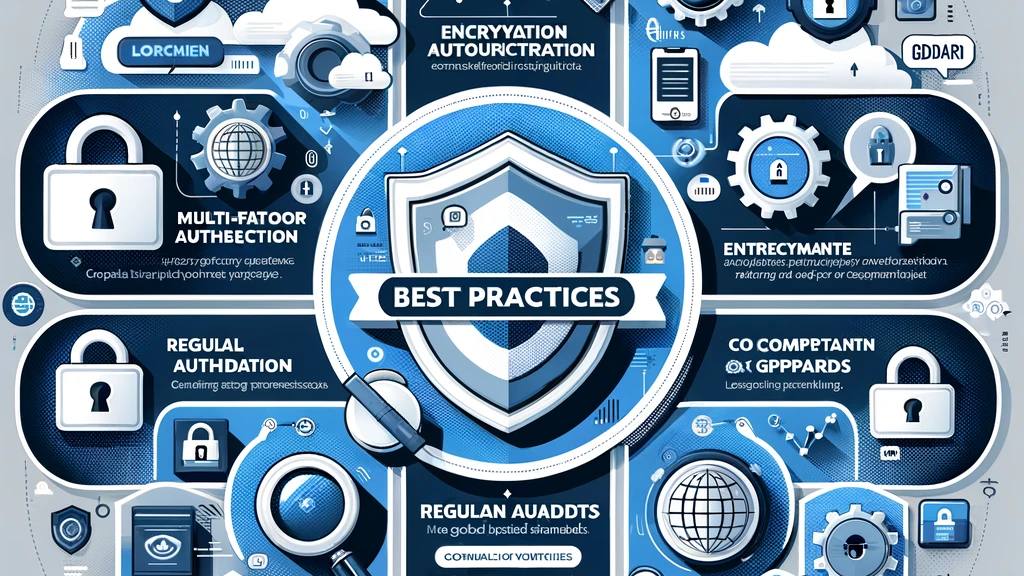
Best Practices in Data Security and Compliance
Risk Assessment and Management
Comprehensive Risk Assessments
Regularly evaluate the security and privacy landscape of your business to identify potential vulnerabilities that could lead to data breaches or compliance issues. Use tools like vulnerability scanners and threat intelligence platforms to stay ahead of potential risks.
Strategic Risk Management
Develop a structured risk management framework based on standards such as ISO 27001, which helps in identifying, assessing, and addressing risks. Incorporate regular updates to this framework to adapt to new threats as they emerge.
Compliance with the Gramm-Leach-Bliley Act (GLBA)
Ensure that all measures comply with GLBA requirements, which mandate financial institutions to protect the confidentiality and integrity of consumer information. This involves not only securing consumer data but also ensuring that third parties and service providers who have access to such financial data also adhere to the same standards.
Implementing Strong Cybersecurity Measures
Robust Encryption Techniques
Deploy advanced encryption standards to protect data at rest and in transit. Ensure that all sensitive data, particularly personally identifiable information (PII), is encrypted using industry-recognized encryption algorithms, to prevent data loss identity theft, and unauthorized access.
Secure Access Controls
Implement comprehensive access control policies to ensure that only authorized personnel have access to sensitive and confidential data. Use multi-factor authentication (MFA) and identity and access management (IAM) systems to further access control and enhance security protocols preventing unauthorized access.
Regular Security Audits
Conduct periodic security audits to assess the effectiveness of your security measures. These audits should be performed by independent third parties to ensure objectivity and should include penetration testing and security assessments.
Cybersecurity Framework Adoption
Adopt frameworks like the National Institute of Standards and Technology (NIST) Cybersecurity Framework, which provides a policy framework of computer security guidance for how private sector organizations can assess and improve their ability to prevent, detect, and respond to cyber-attacks.
Additional Compliance and Security Measures
Data Integrity Checks
Regularly perform data integrity checks on data subjects to ensure that no unauthorized changes have been made to the data and to verify the accuracy and reliability of data storage.
Employee Training and Awareness Programs
Conduct regular training sessions to educate employees about the latest cybersecurity threats and best practices. Ensure that all employees understand their role in maintaining data security and are aware of the company’s own data privacy guidelines and policies.
Incident Response Planning
Develop and maintain an incident response plan that outlines how to respond to data breaches or security incidents. This plan should include steps for containment, investigation, and notification to authorities and affected individuals, in compliance with applicable laws and regulations.
By implementing these best practices, organizations can enhance their data security measures and ensure compliance with regulatory requirements, thereby protecting sensitive information and their data safe while maintaining trust with their clients unauthorized users, and stakeholders.
Enhancing Data Protection Compliance

Training and Awareness Programs
Comprehensive Employee Training
Implement regular training sessions to educate employees on the importance of data and Online Privacy Protection Act and the specific compliance requirements of various data privacy regulations, such as GDPR and CCPA. These sessions should cover how to handle personal data safely, recognize phishing attacks, and respond to data breaches.
Ongoing Awareness Campaigns
Develop continuous awareness programs that keep data protection at the forefront of employees’ minds. Utilize newsletters, intranet updates, and regular meetings to discuss recent cyber threats and breaches, reinforcing the importance of vigilance and more data everywhere.
Simulated Cybersecurity Attacks
Conduct simulated phishing exercises and other attack scenarios to test employee readiness and improve their ability to identify and react to security threats.
Role of Data Protection Officers (DPO)
DPO Responsibilities
The DPO is responsible for overseeing data protection strategy and implementation to ensure compliance with GDPR and other data protection laws. This includes monitoring compliance, training staff involved in data processing, collecting and protecting data, and conducting internal audits.
Advisory Role
DPOs also serve as the point of contact between the company and GDPR Supervisory Authorities. They advise on the impact assessment and ensure all the data the organization is prepared for a data protection audit.
DPO Qualifications
Ensure that the DPO has the necessary expertise in data protection laws and practices. Ideally, the DPO should have a legal, technical, or risk management background.
Privacy by Design
Integrating Privacy into Project Design
Adopt a privacy-by-design framework that integrates privacy into the early stages of IT systems, network infrastructure, and business practices development. This approach not only helps in compliance with privacy laws but also prevents privacy issues before they arise.
Data Minimization
Implement policies that limit data collection, storage, and data access only to what is necessary for the specified purpose. This minimizes the risk of data breaches and ensures compliance with key principles of data protection laws.
Regular Privacy Impact Assessments
Conduct regular privacy impact assessments (PIAs) to both govern data privacy, evaluate how personal data is processed, and identify and mitigate privacy risks at each stage of any project.
By enhancing data privacy vs. protection compliance through thorough training, dedicated oversight by DPOs, and integrating privacy by design, organizations can significantly reduce the risk of data privacy breaches and non-compliance penalties, ensuring that they maintain the trust of their customers and the integrity of their operations.
Consumer Privacy Protection Strategies

Transparency and Communication
Clear Privacy Policies
Develop clear, accessible privacy policies that explain in simple terms how consumer data is collected, used, stored, and shared. Ensure these policies are easily accessible on your website and through any digital platforms you operate.
Proactive Communication
Regularly update consumers on any changes to your children’s online privacy protection, policies or practices. Use multiple communication channels such as email, social media, and company websites to reach all stakeholders effectively.
Consent Management
Implement robust mechanisms for obtaining and managing consumer consent. Make sure consumers can easily opt-in or opt out of data collection and processing practices, providing consumers control over them with genuine control over their personal information.
Managing Data Breaches
Preparedness and Response Plan
Develop a comprehensive data loss prevention and breach response plan that outlines specific roles and responsibilities within your organization. This plan should include steps for containment disaster recovery, investigation, and remediation to minimize the impact of a breach.
Notification Protocols
Establish clear protocols for notifying affected individuals and regulators about a data breach. The notification process should be swift, within the timelines prescribed by relevant data protection laws like GDPR or CCPA, and should include all necessary information to help consumers protect themselves from potential harm.
Post-Breach Analysis
After addressing the immediate impacts of a serious critical data breach, conduct a thorough analysis to determine the cause and implement measures to prevent future occurrences. This might include updating security protocols, additional employee training, or enhancements to IT infrastructure.
Regular Audits and Updates
Conduct regular security audits to assess the effectiveness of your data protection measures. Stay updated with the latest security technologies and practices to defend against new and evolving threats.
Partnership with Cybersecurity Experts
Collaborate with cybersecurity experts, security teams, and firms to ensure your data protection strategies are robust data secure, and compliant with the latest security standards and regulations.
By prioritizing transparency and effective communication, and having a robust plan for managing data breaches, organizations can significantly enhance consumer trust and loyalty while ensuring compliance with data privacy laws and regulations. This proactive approach not only protects consumers but also fortifies the organization’s reputation and operational resilience.
Conclusion
Protecting personal data requires a comprehensive approach that includes legal and regulatory compliance, technical security measures, and an organizational commitment to privacy. By implementing these best practices, organizations can protect themselves and their customers from data breaches, enhance consumer trust, protect user privacy, and comply with the increasingly complex landscape of privacy regulations.