
Introduction to Open Banking
Open Banking represents a significant shift in the financial industry, where banks and financial institutions share customer data with third-party providers (TPPs) through secure application programming interfaces (APIs). This paradigm shift aims to foster innovation, improve customer experience, and increase competition in the financial services sector. In this comprehensive guide, we will explore what Open Banking is, how it works, its benefits, challenges, and its impact on the new financial services landscape.
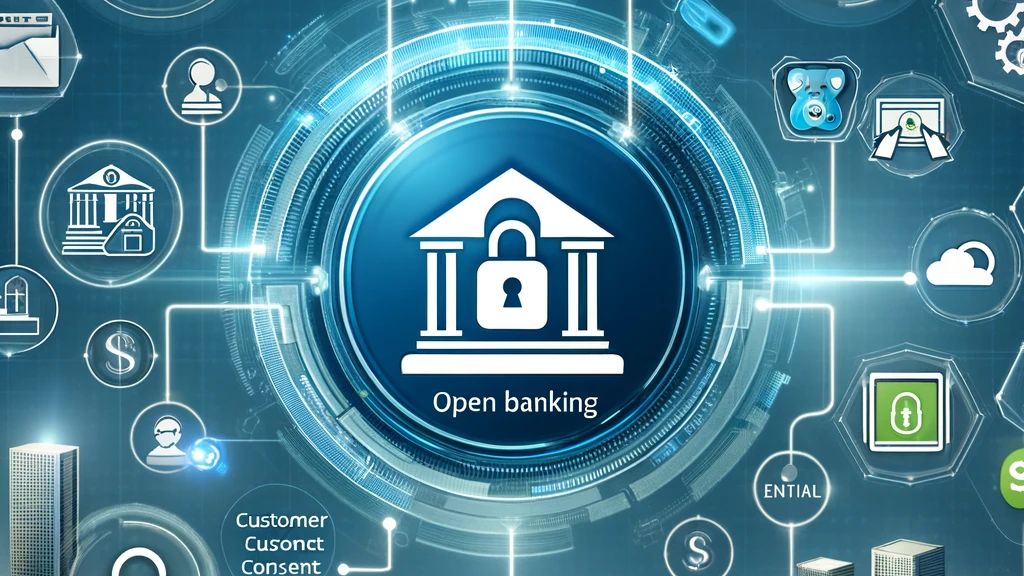
What is Open Banking?
Definition and Overview
Open Banking is a system that allows banks to securely share their customer data with authorized third-party service providers through APIs. This sharing of information enables new and innovative financial services and products, enhancing the customer experience.
Key Components of Open Banking
Open Banking relies on several critical components that ensure its effective implementation and operation. These components work together to create a secure, transparent, and efficient system that benefits customers, banks, and other third parties third-party providers.
APIs (Application Programming Interfaces)
Secure Interfaces for Data Sharing: APIs are the backbone of Open Banking, providing secure and standardized interfaces that enable seamless data exchange between banks and third-party providers (TPPs). These interfaces allow TPPs to access customer data, with the customer’s explicit consent, to offer innovative financial products and services. The security of APIs is paramount, as they handle sensitive financial information.
Standardization and Interoperability: For Open Banking to function smoothly, APIs must be standardized across the banking industry. Standardization ensures that different systems can communicate effectively, reducing the complexity and cost of integration for TPPs. Organizations like the Open Banking Implementation Entity (OBIE) in the UK have developed API standards to facilitate this interoperability.
Robust Security Measures: To protect customer data, APIs incorporate advanced security protocols such as encryption, tokenization, and secure authentication methods. These measures prevent unauthorized access and ensure that data is transmitted securely between banks and TPPs.
Third-Party Providers (TPPs)
Role of TPPs: Third-party providers are essential players in the Open Banking ecosystem. They leverage the data accessed through APIs to develop and offer a wide range of financial products and services, such as budgeting tools, payment services, investment platforms, and more. TPPs drive innovation by creating solutions that meet specific customer needs and preferences.
Types of TPPs: TPPs can be categorized into different types based on the services they provide:
Account Information Service Providers (AISPs): These providers access customer account data to offer insights and financial management tools.
Payment Initiation Service Providers (PISPs): These providers initiate payments directly from a customer’s bank account, offering an alternative to traditional payment methods.
Aggregators: These platforms combine data from multiple accounts to provide a comprehensive view of a customer’s financial situation.
Regulation and Authorization: TPPs and other financial service providers must be authorized and regulated by relevant financial authorities to ensure they adhere to strict security and privacy standards. In the EU, for example, TPPs are regulated under the PSD2 framework and must obtain a license from the national competent authority.
Customer Consent
Explicit Consent Mechanism: Customer consent is a fundamental aspect of Open Banking, ensuring that individuals have control over who can access their financial data. Customers must provide explicit consent before their data can be shared with TPPs. This consent is typically obtained through a clear and transparent process, where customers are informed about the type of data being accessed and the purpose of its use.
Granular Consent Options: Customers can choose to grant consent for specific types of data and specific TPPs. This granular consent mechanism allows customers to have fine-grained control over their data, enhancing trust in the Open Banking system.
Revocation of Consent: Customers have the right to revoke their consent transaction data, at any time. Banks and TPPs must provide easy-to-use mechanisms for customers to withdraw their consent, ensuring that data sharing can be stopped promptly if a customer changes their mind.
Regulatory Framework
PSD2 (Revised Payment Service Directive): The PSD2 regulation in the EU is one of the most significant regulatory frameworks governing Open Banking. It mandates that banks open their payment services and customer account data to licensed TPPs. PSD2 aims to increase competition, innovation, and security in the financial services sector.
GDPR (General Data Protection Regulation): In conjunction with PSD2, the GDPR ensures that customer data is handled with the utmost privacy and security. It grants individuals rights over their personal data, including access, correction, and deletion. Compliance with GDPR is crucial for banks and TPPs operating within the Open Banking ecosystem.
Other Regional Regulations: Different regions have their regulatory frameworks for Open Banking. For example, the UK has its own Open Banking standards overseen by the OBIE, while Australia has introduced the Consumer Data Right (CDR) to facilitate open banking regulation and data sharing. Each regulatory framework aims to balance innovation with security and consumer protection.
Compliance and Enforcement: Regulatory authorities enforce compliance with Open Banking regulations, conducting audits and assessments to ensure that banks and TPPs adhere to the required standards. Non-compliance can result in significant penalties and damage to reputation.
How Open Banking Works
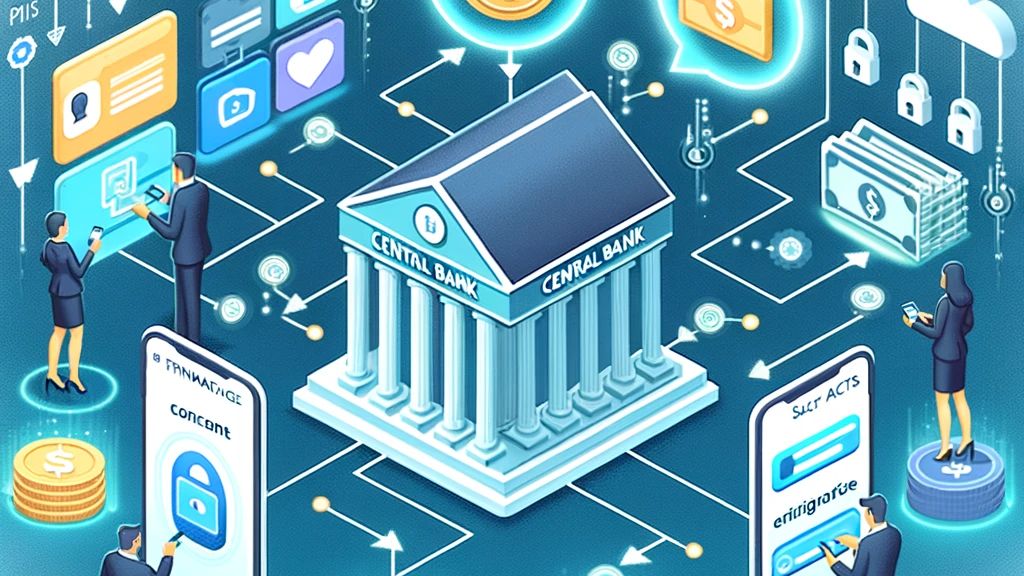
The API Economy
APIs play a central role in Open Banking by facilitating seamless and secure data exchange between banks and TPPs. These APIs are designed to be robust, secure, and standardized to ensure interoperability across different systems.
The Role of Third-Party Providers
TPPs leverage the data obtained through APIs to create innovative financial products and services. These can range from budgeting apps and payment services to personalized financial advice and lending solutions.
Customer Consent and Data Security
Customer consent is a cornerstone of Open Banking. Customers must provide explicit permission for their data to be shared, ensuring they have control over who accesses their information. Security measures, including strong customer authentication (SCA) and robust data encryption, are implemented to protect sensitive information.
Benefits of Open Banking
Open Banking offers numerous advantages for customers, banks, and third-party providers. By fostering innovation, enhancing user experience, and creating new opportunities, Open Banking is transforming the financial landscape. Here, we delve deeper into the specific benefits for each group.
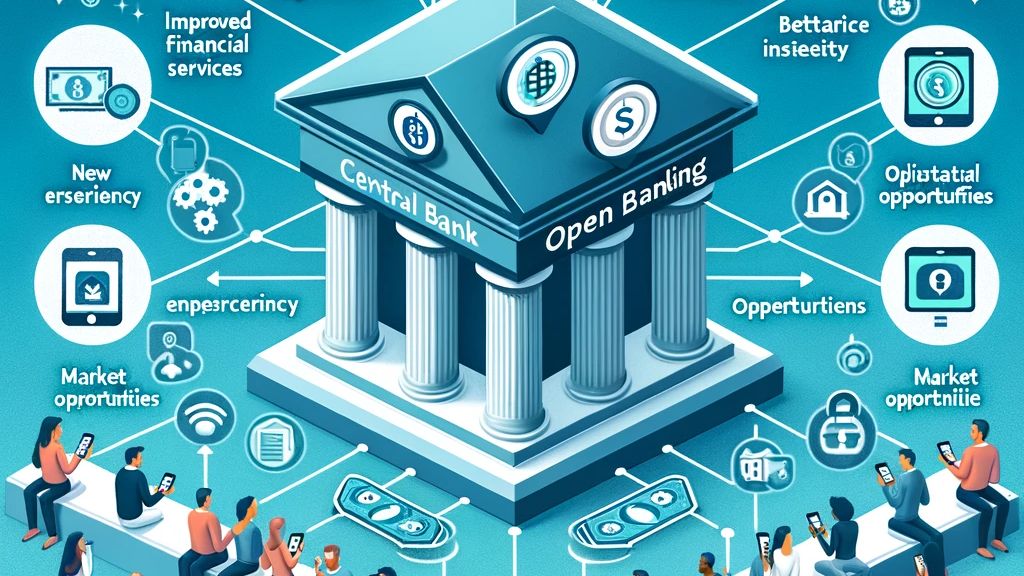
For Customers
Improved Financial Services
Access to Innovative Products: Open Banking allows customers to access a variety of financial products that are tailored to their specific needs. From budgeting tools and personal finance management apps to tailored investment platforms and loan comparison services, customers can choose from a broad spectrum of innovative solutions.
Customized Financial Solutions: The integration of advanced analytics and AI-powered tools means that financial services can be highly personalized. Customers receive recommendations and services that are uniquely suited to their financial habits and goals, making financial management more effective and efficient.
Enhanced User Experience
Seamless Integration: Open Banking facilitates the integration of various financial services into a single platform, providing a seamless user experience. Customers can manage their bank accounts, investments, loans, and other financial products from one centralized dashboard.
Personalized Banking: The aggregation of financial data enables banks and TPPs to offer highly personalized services. Users can benefit from tailored financial advice, customized alerts, and recommendations that align with their financial behaviors and objectives.
Better Financial Insights
Comprehensive View: By aggregating data from multiple bank accounts and financial institutions, Open Banking provides customers with a holistic view of their finances. This comprehensive insight helps customers understand their financial health better and make more informed decisions.
Enhanced Financial Management: Tools that utilize aggregated data can offer deeper insights into spending patterns, savings opportunities, and investment performance. These insights empower customers to take proactive steps towards achieving their financial goals.
For Banks

New Revenue Streams
Partnership Opportunities: Open Banking enables banks to partner with TPPs to offer new and innovative services. These collaborations can create additional revenue streams, such as fees for data access, revenue-sharing agreements, and the development of co-branded financial products.
Monetization of Data: Banks can monetize customer data (with consent) by providing value-added services. This can include targeted marketing campaigns, personalized financial products, and premium advisory services.
Increased Customer Engagement
Personalized Offerings: By leveraging customer data, banks can offer more personalized and relevant services, improving customer engagement and satisfaction. Tailored products, personalized financial advice, and bespoke financial solutions help in retaining customers and fostering loyalty.
Enhanced Loyalty Programs: Banks can integrate their loyalty programs with financial management tools provided by TPPs, offering customers more value and incentives to stay engaged with the bank’s services.
Operational Efficiency
Process Automation: The adoption of Open Banking standards and technologies can streamline operations. Automated processes reduce the need for manual intervention, minimizing errors and speeding up service delivery.
Improved Data Accuracy: With better data integration and access, banks can ensure higher data accuracy, which is crucial for compliance, risk management, and customer service.
For Third-Party Providers (TPPs)

Market Opportunities
Innovative Solutions: TPPs can develop and offer a wide range of innovative financial solutions that address specific customer needs. This includes everything from investment platforms and lending solutions to personal finance management tools and payment services.
Niche Markets: By accessing bank data, TPPs can identify underserved markets and develop niche products that cater to these specific segments, creating new market opportunities.
Collaboration with Banks
Enhanced Credibility: Partnerships with established banks can enhance the credibility of TPPs. These collaborations can help TPPs gain customer trust and expand their market presence.
Expanded Reach: Working with banks allows TPPs to leverage the bank’s customer base, expanding their reach and access to potential clients. This can significantly boost the growth and scalability of TPPs.
Enhanced Data Access
Accurate Financial Products: Access to rich banking data allows TPPs to develop more accurate and effective financial products. This data-driven approach ensures that the solutions offered are relevant and beneficial to the end-users.
Improved Customer Insights: By analyzing the data accessed through Open Banking, TPPs can gain deeper insights into customer behaviors and preferences. This knowledge enables them to continually refine and improve their offerings.
Challenges of Open Banking
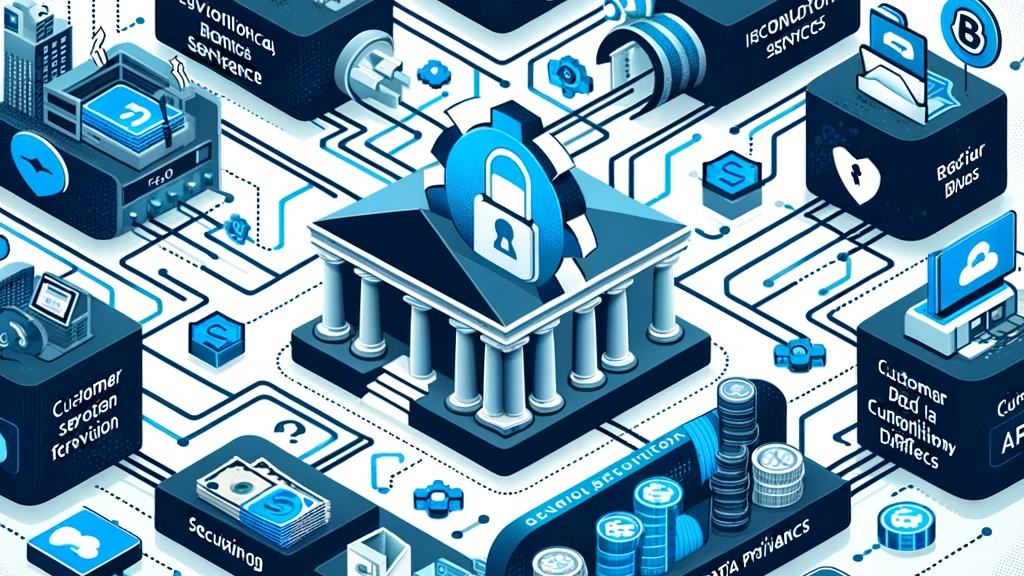
Data Security and Privacy
Ensuring Data Protection
Maintaining the security and privacy of customer data is a significant challenge in Open Banking. Robust security measures, including encryption and secure APIs, are essential to protect sensitive information.
Regulatory Compliance
Compliance with data protection regulations, such as GDPR (General Data Protection Regulation) in the EU, is critical for the success of Open Banking initiatives.
Technical Challenges
API Standardization
Standardizing APIs across the banking industry is crucial to ensure interoperability and seamless data exchange.
Integration with Legacy Systems
Integrating Open Banking solutions with existing legacy systems can be complex and resource-intensive.
Customer Trust and Adoption
Building Trust
Gaining customer trust is essential for the widespread adoption of Open Banking services. Transparent communication about data usage and robust security measures can help build trust.
Encouraging Adoption
Educating customers about the benefits and safety of Open Banking is key to encouraging adoption.
Impact of Open Banking on the Financial Landscape

Increased Competition and Innovation
Open Banking fosters competition by leveling the playing field for new entrants in the financial services sector. This increased competition drives innovation, leading to the development of new and improved financial products and will transform financial services further.
Personalization of Financial Services
With access to comprehensive customer data, financial service providers can offer highly personalized services that meet the specific needs of individual customers.
Improved Financial Inclusion
Open Banking can enhance financial inclusion by providing underserved populations with access to innovative financial services and products.
Evolution of Banking Business Models
Banks are evolving their business models to adapt to the Open Banking ecosystem. Many traditional banks are transitioning from traditional banking services to becoming platforms that facilitate a wide range of financial services.
Case Studies: Successful Implementation of Open Banking
Case Study 1: Monzo Bank
Monzo Bank, a digital challenger bank, leverages Open Banking to offer a seamless and integrated banking experience. By partnering with various TPPs, Monzo provides its customers with innovative financial services such as budgeting tools, savings automation, financial accounts, and investment options.
Case Study 2: Revolut
Revolut, another digital bank, utilizes the Open Banking framework to enhance its financial offerings. Through partnerships with TPPs, Revolut offers services like instant credit, insurance products, and cryptocurrency trading, all within a single platform.
Case Study 3: HSBC’s Connected Money App
HSBC’s Connected Money app is a prime example of Open Banking in action. The full banking app that aggregates data from multiple bank accounts, providing customers with a comprehensive view of their finances. It also offers personalized insights and financial advice based on the aggregated data.
The Future of Open Banking
Expansion to Other Financial Services
Open Banking is expected to expand beyond traditional banking services to include other financial sectors such as banking as a service, insurance, investments, and pensions.
Integration with Emerging Technologies
The integration of Open Banking with emerging technologies like artificial intelligence (AI) and blockchain will further enhance its capabilities and potential.
Global Adoption
While the Open Banking model is currently more prevalent in regions like Europe and the UK, it is gradually gaining traction globally. Countries like the US, Australia, and Canada are also exploring and implementing Open Banking initiatives.
Conclusion
Open Banking is revolutionizing the financial landscape by fostering innovation, improving customer experience, and increasing competition. Despite the challenges, the benefits of Open Banking are significant, making it a crucial development in the financial services sector. As Open Banking continues to evolve, it will play a pivotal role in shaping the future of banking and the financial services industry.
FAQs on Open Banking
What is Open Banking?
Open Banking is a system that allows banks to share customer data with third-party providers through secure APIs to foster innovation and improve financial services.
How does Open Banking benefit customers?
Open Banking provides customers with access to a wide range of innovative financial products and services, enhanced user experiences, and better financial insights.
What are the challenges of Open Banking?
Challenges include data security and privacy concerns, regulatory compliance, technical integration, and building customer trust and adoption.
How does Open Banking impact banks?
Open Banking opens new revenue streams other banks, increases customer engagement, and improves operational efficiency for banks.
What is the role of APIs in Open Banking?
APIs facilitate secure and seamless data exchange between banks and third-party providers, enabling the implementation of Open Banking.
Is Open Banking safe?
Yes, the Open Banking app is designed with robust security measures, including strong customer authentication and data encryption, to protect customer data.
How can customers consent to share their data?
Customers must provide explicit consent for their data to be shared, ensuring they have control over who accesses their information.
What is PSD2?
PSD2 (Revised Payment Service Directive) is a regulation in the EU that governs the implementation of Open Banking by mandating banks to open their APIs to third-party providers.
Can Open Banking improve financial inclusion?
Yes, Open Banking can enhance financial inclusion by providing underserved populations with access to innovative financial services and products.
What is the future of Open Banking?
The future of Open Banking includes expansion to other financial sectors, integration with emerging technologies, and global adoption.
By understanding and leveraging Open Banking, businesses, banks, and customers can benefit from a more transparent, innovative, and efficient financial ecosystem.